
Uncategorized
Quick Summary: The most important thing is to ensure proper calibration of safety systems after replacing a windshield, especially on modern cars with cameras and sensors. Using high-quality, correct-spec glass and waiting for the adhesive to fully cure are also crucial for safety and durability. Hiring trained, qualified installers helps prevent leaks, wind noise, and sensor issues that can compromise safety. Skipping these steps can lead to costly repairs and safety risks down the line.
A new windshield can look done before it is truly safe. That is a real risk on newer cars with cameras, rain sensors, and driver-assist features built into the glass area. Many drivers treat replacement like a basic swap, but Auto Glass Mistakes often stay hidden until you hear wind noise, spot leaks, notice blurry sight lines, or lose safety feature accuracy.
Some Windshield Repair Errors and replacement issues seem minor at first. Bad fitment, weak bonding, or skipped setup steps can shorten glass life and affect crash protection. On ADAS-equipped vehicles, Auto Glass Mistakes can also throw off lane, braking, or camera-based systems.
This guide covers the most common Auto Glass Mistakes to avoid and gives practical Glass Replacement Tips you can use before you book service. We ranked these mistakes by how often they happen and how much harm they can cause to safety, durability, visibility, and daily drivability.
Quick Comparison
| Mistake | Best for | Why it matters | Common sign | What to do instead |
|---|---|---|---|---|
| Skipping ADAS calibration after replacement | Modern vehicles with windshield-mounted cameras | Safety systems may read the road incorrectly if calibration is skipped | Warning lights, camera alerts, or features not behaving normally | Confirm the shop performs the correct calibration procedure |
| Choosing low-quality or wrong-spec glass | Drivers who want a proper factory-style fit | Cheap or incorrect glass can compromise sealing and visibility | Distortion, trim gaps, or unusual wind noise | Ask whether the glass is OEM-quality or vehicle-correct equivalent |
| Rushing adhesive cure time | Anyone getting a full windshield replacement | The adhesive must bond fully before the vehicle is driven normally | Leaks, movement, or bond failure after early driving | Follow the technician’s exact safe-drive-away instructions |
| Using an unqualified installer | Drivers who want reliable workmanship | Technique affects bonding, sealing, and final safety | Loose trim, leaks, or poor alignment | Choose a shop with training, warranty, and vehicle-specific experience |
| Ignoring small chips and cracks too long | Drivers with fresh chips or small cracks | Small damage can spread and become unsafe | Crack length increases or damage reaches the edge | Repair quickly before contamination or spreading occurs |
| Using improper tools or DIY methods | Drivers considering DIY repair or trim removal | Bad tools can damage the vehicle and the new glass bond | Scratches, uneven edges, or leftover debris | Use proper auto glass tools or hire a pro |
What to know about auto glass replacement
Auto glass replacement does more than fix a crack. It helps bring your car back to safe, factory-like performance. The glass itself matters, but so do the adhesive, the install method, and the final checks after the job.
That matters more now because many cars use cameras and sensors near the windshield. A bad replacement can hurt visibility, weaken crash protection, and throw off ADAS features like lane keeping or emergency braking.
A windshield is part of your car’s safety system, not just a piece of glass.
Use this list to spot the mistakes that can cost you money, time, and safety.
1. Skipping ADAS calibration after replacement
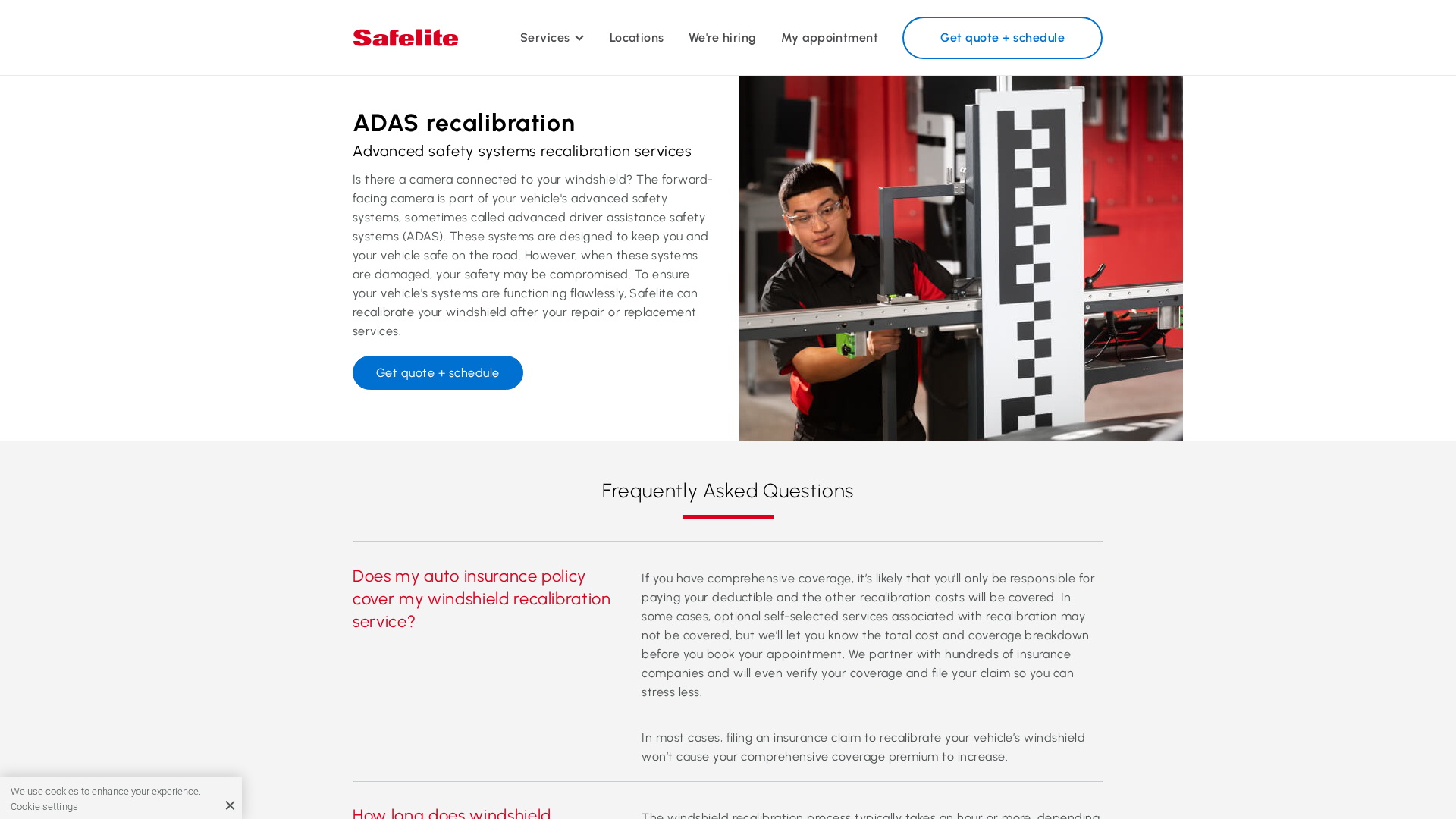
A new windshield can shift the camera system that powers your safety features. If you skip ADAS calibration after windshield replacement, lane warning, AEB, and cruise control may not read the road right, as both NHTSA and Safelite show.
Highlights
- Critical for vehicles with windshield-mounted cameras or sensors
- Can affect lane keep assist, collision warning, and emergency braking
- May require static, dynamic, or both types of calibration
- Should be completed before normal driving whenever required
Specs
- Best for: Modern vehicles with windshield-mounted cameras
- Common sign: Warning lights, camera alerts, or features acting oddly
- What to do instead: Confirm the shop performs the correct calibration procedure
- Service type: Replacement and recalibration
Pros
- Protects advanced safety features
- Helps maintain factory-like performance
- Reduces liability after repair
Cons
- May add time to the appointment
- Not every shop has the right equipment
This ranks first because the glass may look fixed while key safety tech stays misaligned.
Last updated: July 2, 2026
Also Read: Auto Glass Replacement in Orange County: Cost, Process, and What to Expect
2. Choosing low-quality or wrong-spec glass
The cheapest windshield is not always the safest fit. Low-grade or wrong-spec glass can distort your view, seal poorly, and create sensor problems on newer cars with cameras, rain sensors, or acoustic layers.
Highlights
- Wrong-spec glass can miss key features like camera mounts, rain-sensor areas, acoustic layers, or proper tinting, as noted in CAPA’s ADAS glass standard coverage.
- Windshield optics matter because cameras look through the glass, and research on curved windshield optics shows glass quality can affect image performance.
Specs
- Best for: Drivers who want a proper factory-style fit
- Common sign: Distortion, trim gaps, or unusual wind noise
- What to do instead: Ask whether the glass is OEM-quality or vehicle-correct equivalent
Pros
- Improves fit and sealing
- Supports better visibility
- Can reduce repeat repairs
Cons
- Often costs more than bargain options
- Availability can vary by vehicle
This ranks here because the wrong glass can hurt visibility, comfort, sealing, and ADAS reliability at the same time.
Last updated: July 2, 2026
3. Rushing adhesive cure time
A windshield is only as strong as the bond holding it in place. If you drive too soon, the urethane may not support crash retention or roof strength as intended, which is why I-CAR says minimum drive-away time varies by product, temperature, and humidity.
Highlights
- Early driving can stress the bond line, cause leaks, and lead to fit issues later.
- NHTSA recall records show weak windshield adhesion can raise injury risk in a crash and fail FMVSS 212 windshield retention expectations.
Specs
- Best for: Anyone getting a full windshield replacement
- Common sign: Leaks, movement, or bond failure after early driving
- What to do instead: Follow the technician’s exact safe-drive-away instructions
Pros
- Improves bond strength
- Helps prevent leaks
- Supports crash safety
Cons
- Requires patience
- Cure time changes with weather and product
This ranks here because rushing cure time can undo an otherwise good install.
Last updated: July 2, 2026
4. Using an unqualified installer
A windshield is part of your car’s structure, not just a sheet of glass. If the installer lacks training, small mistakes with prep, primer, trim, or bonding can turn into leaks, wind noise, poor fit, or missed ADAS steps.
Highlights
- Training matters. The AGRSS standard covers installation and technician education.
- Certification helps you spot a real certified auto glass technician.
- Experience lowers the risk of trim damage, bad alignment, and repeat work.
- Poor workmanship often shows up later as loose molding, water leaks, or cabin noise.
Specs
- Best for: Drivers who want reliable workmanship
- Why it matters: Technique affects bonding, sealing, and final safety
- Common sign: Loose trim, leaks, or poor alignment
- What to do instead: Choose a shop with training, warranty, and vehicle-specific experience
- Service type: Installation quality
Pros
- Better long-term durability
- Lower chance of repeat work
- More likely to include proper safety steps
Cons
- High-quality shops may cost more
- Good installers can be harder to book quickly
It ranks here because installer skill often decides whether the job lasts or fails fast.
Last updated: July 2, 2026
5. Ignoring small chips and cracks too long
Small damage is easier to fix before it spreads. A chip or short crack may be repairable at first, but heat, bumps, and trapped moisture can turn it into a bigger safety problem fast.
Highlights
- Early repair is often faster and cheaper than full replacement.
- Nissan service guidance notes cracks can spread from temperature swings and road vibration.
- Dirt and moisture can reduce repair results, which is why the ROLAGS repair standard stresses inspection limits and repair quality.
Specs
- Best for: Drivers with fresh chips or small cracks
- Common sign: The crack gets longer or reaches the edge
- What to do instead: Repair it quickly before contamination or spreading
Pros
- Can save the original windshield
- Usually faster than replacement
- May reduce total cost
Cons
- Not all damage is repairable
- Waiting can remove the repair option
It ranks here because this is one of the most common windshield repair errors people wrongly assume can wait.
Last updated: July 2, 2026
6. Using improper tools or DIY methods
The wrong tool can turn a glass problem into a bigger repair. A pry bar, utility knife, or cheap DIY kit can scratch the frame, nick the pinch weld, contaminate the bond area, or make a small crack worse.
Highlights
- Bad tools can damage paint and metal around the glass, which hurts the new seal.
- DIY chip kits can leave distortion, and AAA notes repair quality depends on the tools, resin, and technician skill.
- NHTSA has also tied improper urethane application to windshield retention risk in a crash.
Specs
- Best for: Drivers thinking about DIY repair or trim removal
- Common sign: Scratches, uneven edges, leftover debris
- What to do instead: Use proper auto glass tools or hire a pro
Pros
- Protects adhesive surfaces
- Improves fit and finish
Cons
- DIY mistakes often add cost fast
It ranks here because tool mistakes cause secondary damage quickly, even before bonding or calibration problems show up.
Last updated: July 2, 2026
Honourable Mentions
These matter too, but they usually do not cause a bad replacement on their own. They often show up after a bigger mistake, which is why they sit just outside the main list.
- 7. Skipping post-install cleanup and inspection – A rushed final check can leave glass chips, loose trim, or hidden leaks behind. Even small misses can turn into wind noise, water damage, or a return visit later.
How to choose the right auto glass replacement approach
Use this short checklist before you book. It helps you avoid the mistakes that matter most.
-
Ask about ADAS first. Many newer cars need camera or sensor calibration after windshield replacement. A good shop should tell you before the appointment if your vehicle likely needs it.
-
Confirm the glass spec. Ask if the shop uses OEM-quality or vehicle-correct glass, molding, and clips. Poor fit can cause leaks, wind noise, and bad sensor readings.
-
Get the cure time in writing. Ask about the adhesive safe-drive-away time before you hand over the keys. If they cannot explain it clearly, move on.
-
Check technician training and paperwork. Look for trained installers, a workmanship warranty, and clear records showing the glass type, adhesive used, and any calibration done.
-
Ask if repair is still possible. Small chips may not need full replacement. A trustworthy shop should check repair first instead of pushing the bigger job.
Lowest price often means shortcuts. On newer vehicles, correct fit and calibration matter more than saving a little upfront.
If you want one-stop service, shops like Auto Glass Kings stand out when they handle both replacement and in-house ADAS calibration.
Don’t risk a bad install, poor visibility, or ADAS issues. Get it done right with Auto Glass Kings for mobile service, OEM-quality glass, in-house calibration, and a lifetime warranty. Book your replacement and drive with confidence.
Frequently Asked Questions
Q1: What are the common mistakes to avoid during auto glass replacement to ensure safety and durability?
Using cheap glass, skipping rust cleanup, poor adhesive cure time, bad fitment, and ignoring calibration are the big ones. These mistakes can cause leaks, wind noise, weak crash support, and camera or sensor errors.
Q2: How does choosing OEM-quality glass impact the longevity and safety of auto glass replacements?
OEM-quality glass usually matches thickness, shape, tint, and mounting points better. That helps the windshield seal right, support the roof in a crash, and give ADAS cameras a clear, correct view.
Q3: Why is proper ADAS calibration important after windshield replacement in modern vehicles?
Many newer cars aim cameras through the windshield. If calibration is off, lane keep assist, auto braking, and traffic sign reading may react late, wrong, or not at all.
Q4: How long should I wait to drive after a windshield replacement?
Follow the installer’s safe drive-away time, not a guess. Urethane needs time to cure. Driving too soon can shift the glass, weaken the seal, and reduce crash protection in a rollover or front impact.
Share
Recent Posts

October 27, 2026
Windshield Frit Band: What the Black Edge Does
What is the black band and dot pattern around your windshield? Learn what frit is, why it matters for adhesive bonding, and what...

October 26, 2026
Heads-Up Display Windshield: What Changes When You Replace It
A HUD windshield is built differently from standard glass. See how it works, what to check before replacement, and why calibration matters in...
October 25, 2026
Lifetime Windshield Warranty: What It Covers and What It Doesn’t
A lifetime windshield warranty rarely covers everything. Learn what it should include, what it excludes, and how ADAS calibration and insurance fit in....