
Automotive
Drive off after one hour if your technician clears you, but treat the next 24 to 72 hours as a curing window: leave the retention tape alone, skip the car wash, park it somewhere calm, and confirm any ADAS cameras got recalibrated before you call the job finished.
TL;DR:
- The full curing process for urethane adhesives can take between 24 and 72 hours, depending on humidity, temperature, and installation conditions.
- Keep the retention tape on, avoid slamming doors, and park in shade during the curing window to prevent seal damage and stress on the new windshield.
- Wait at least 24 hours before hand washing and 48 to 72 hours before using automatic or high-pressure car washes to prevent compromising the seal.
- If your vehicle has ADAS sensors or cameras, recalibration is almost always required and should be verified with documentation after the replacement.
- Watch for signs of poor installation, such as wind noise, water leaks, or misaligned molding, and contact your technician promptly if issues arise.
Table of Contents
- Windshield Replacement Aftercare in the First 48 Hours
- When Can You Wash Your Car After Windshield Replacement?
- Why Doors, Windows, and Rough Roads Matter More Than You’d Think
- Does Your Car Need ADAS Recalibration After a New Windshield?
- Warning Signs Your Windshield Wasn’t Installed Correctly
- Your First Week Checklist for a Long-Lasting Windshield
- Installer Perspective: Why These Rules Protect More Than the Glass
- Get Mobile Replacement With ADAS Calibration Built In
- Sources
- FAQ
Windshield Replacement Aftercare in the First 48 Hours
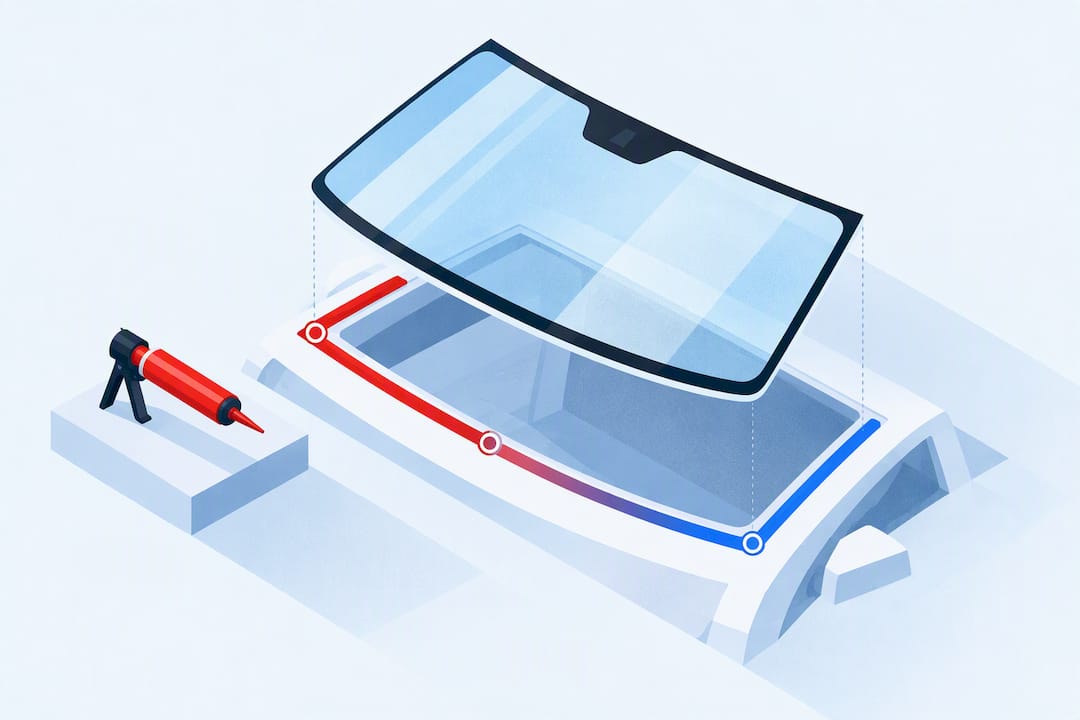
The urethane adhesive holding your new windshield in place doesn’t set like glue on a craft project. It cures chemically, gaining strength gradually as it reacts with humidity in the air, and that process determines almost every rule in this guide.
Most technicians clear you to drive after 30 to 60 minutes with fast-cure adhesives, but that’s a minimum threshold, not a green light to treat the glass normally. Full bond strength typically takes 24 to 72 hours, depending on the adhesive type, humidity, and temperature at the time of install. A windshield replaced outdoors on a cold, dry day cures slower than one installed inside a heated shop, so if your technician gives you a longer window, trust their number over any generic range you read online.
Here’s what actually matters during that stretch:
- Leave the retention tape on. Installers apply it to hold the molding and glass alignment steady while the adhesive sets, and pulling it early risks shifting the seal before it’s fully bonded.
- Crack a window about an inch. Slamming a door in a sealed cabin creates a pressure spike that can push against an uncured bead of urethane, similar to popping your ears on a fast elevator ride.
- Close doors gently, don’t slam them. The same pressure logic applies every time you get in or out of the car.
- Skip long drives and rough roads. Potholes and highway expansion joints flex the body of the car more than city streets do, and that flexing transfers stress to the glass.
- Don’t lean objects against the windshield or rest anything on the dash near it. Direct pressure in one spot is the fastest way to disturb a seal that hasn’t cured yet.
- Park in shade or a garage when you can. Wide temperature swings, like a cold morning followed by a hot afternoon in direct sun, can stress glass and adhesive that hasn’t fully hardened.
Pro Tip: If you don’t have a garage, park facing east so your windshield gets morning shade instead of a full afternoon in direct sun. Small choice, but it keeps the adhesive curing at a steadier temperature.
When Can You Wash Your Car After Windshield Replacement?
Washing too soon is one of the most common ways drivers accidentally undo a good installation. Here’s the timing that keeps you safe without leaving your car dirty for a week.
- Hand wash: safe after roughly 24 hours. Light hand washing is generally fine at this point as long as you keep the hose spray away from the windshield’s perimeter, where the seal is still developing strength.
- Automatic, touchless, or high-pressure washes: wait 48 to 72 hours. These systems blast concentrated jets that can push water beneath an uncured seal, and a rotating brush can catch the edge of fresh molding and pull it loose.
- Cold climates: lean toward the longer end. Urethane cures more slowly below 50°F, so if you’re washing in winter, give it 72 hours rather than 48.
When you do wash by hand, use a mild soap and a microfiber cloth, and avoid scrubbing directly at the edges where new glass meets the body. Skip ammonia-based glass cleaners entirely for the first two days; they can interact with adhesive off-gassing and leave streaking that’s hard to fix later. Water-repellent treatments like Rain-X are fine, but wait at least 48 hours so you’re not applying a coating over adhesive that’s still releasing moisture.
Light rain is not the same threat as a car wash, and it’s one of the more common myths that trips people up. Rain falls with far less force than a pressure-washer nozzle, so a drizzle on your drive home isn’t going to compromise the seal the way a spray-and-scrub tunnel wash would. If a mobile detailer or carwash attendant doesn’t know your windshield is new, tell them before they touch the car.

Why Doors, Windows, and Rough Roads Matter More Than You’d Think
A car cabin is a sealed box, and every time you shut a door hard, you compress the air inside it. That compression has to go somewhere, and in the first day or two after a replacement, “somewhere” can mean pressing against a windshield seal that hasn’t finished bonding.
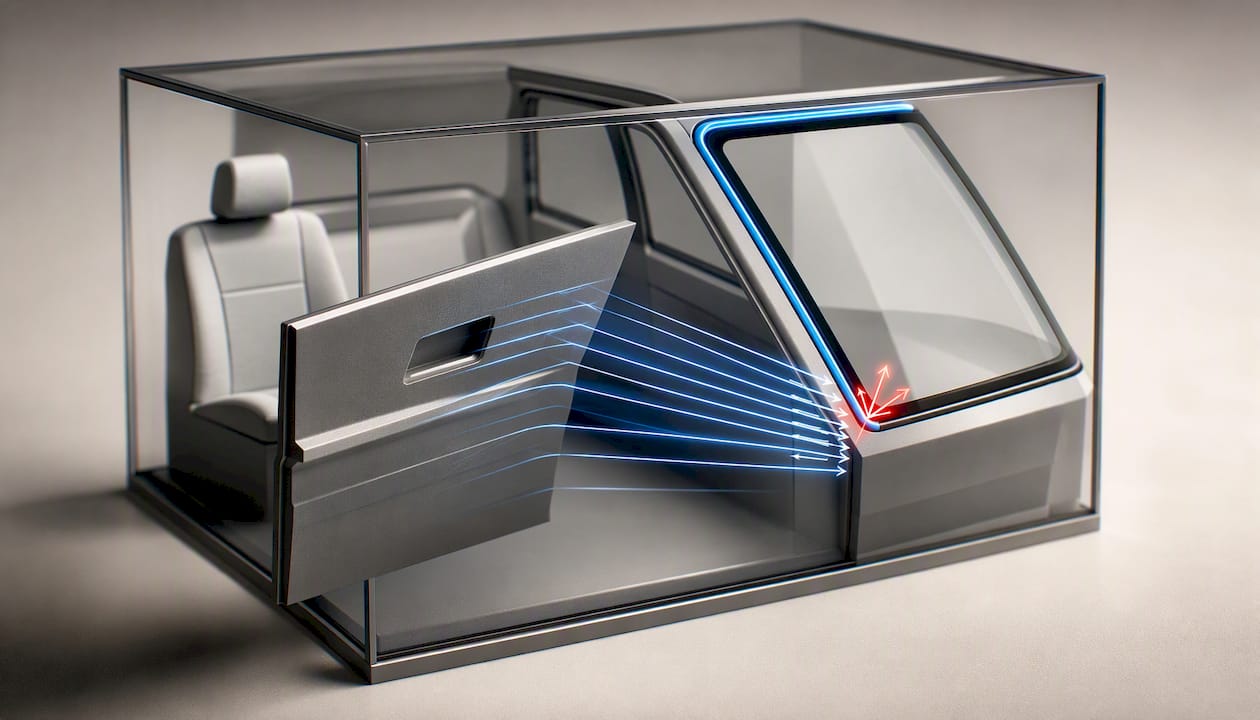
The fix is simple. Crack a window about an inch any time you’re getting in or out during the first 24 to 48 hours, and close doors with a normal push rather than a slam. Rapid temperature swings work against you the same way, so avoid blasting the defroster on max heat right after a cold install, and let the cabin warm gradually instead.
A few more habits worth building into the first two days:
- Take rough roads and speed bumps slowly rather than at normal speed.
- Keep trips short if you can, running errands close to home instead of a highway haul.
- Go easy on the wipers, especially on the first use, since a stiff swipe across fresh molding can catch an edge that hasn’t set.
- Avoid roof cargo or anything that vibrates the frame more than normal driving does.
None of this lasts long. By day three, most of these restrictions fall away as the bond reaches full strength.
Does Your Car Need ADAS Recalibration After a New Windshield?
If your windshield has a camera or sensor mounted to it for lane-keep assist, automatic emergency braking, or adaptive cruise control, the answer is almost always yes. Removing and replacing the glass changes the camera’s exact position and angle by fractions of a degree, which is enough to throw off systems designed to read lane markings and following distance with precision.
Recalibration comes in two forms, and which one your car needs depends on the manufacturer:
- Static calibration happens in a bay using target boards and a scan tool, with the vehicle stationary. This is common for many camera-based systems.
- Dynamic calibration requires driving the vehicle at a specific speed range on well-marked roads so the system can relearn lane lines and reference points in real time.
Some vehicles need both. Ask your installer directly whether your car’s specific ADAS setup requires recalibration, which type applies, and whether it happens the same day or needs a separate appointment. Get documentation of the completed calibration, since that paperwork matters if a dealership or insurer ever questions the work.
Pro Tip: Once recalibration is done, test your lane-keep assist and adaptive cruise at low speed in an empty parking lot before you trust them on the highway. If something feels off, a five-minute test now saves you a scary surprise later.
Auto Glass Kings performs ADAS calibration in-house rather than sending vehicles to a separate facility, which cuts down on the back-and-forth many shops require.
Warning Signs Your Windshield Wasn’t Installed Correctly
Most replacements go fine, but a small percentage develop a seal problem that shows up within the first week or two of driving. Catching it early is the difference between a quick reseal and a bigger repair.
- Listen for wind noise at highway speed. A whistling or hissing sound near the top or sides of the windshield usually means air is finding a gap it shouldn’t.
- Watch for water intrusion after rain or a wash. Damp carpet near the dash, fogging between panes, or visible drips point to a compromised seal.
- Check for visible gaps or uneven molding. Run your eyes along the edge in daylight and look for spots where the trim sits unevenly or the glass looks slightly raised.
- Note any new ADAS warning lights. A dashboard alert for lane-keep or forward-collision systems after a replacement usually means recalibration didn’t take or needs a recheck.
If you spot any of these, stop stressing the glass further and call your installer. Photograph the issue, note the date, weather, and what you were doing when you noticed it, and reference your warranty when you ask for an inspection. A reputable shop will reseal or redo the work at no charge if the original install is at fault.
Your First Week Checklist for a Long-Lasting Windshield
Once the 72 hour curing window passes, aftercare shifts from strict rules to good habits. This first week matters because it’s when small problems, if they exist, tend to surface.
Run a quick daily check for the first seven days: look for new leaks after rain, listen for wind noise you didn’t notice before, and glance at the molding for shifting. If everything’s quiet by day seven, you’re almost certainly in the clear.
A few longer-term habits worth adopting:
- Hold off on replacing wiper blades for about a week if the old ones still work, so you’re not adding new pressure points to glass that’s still settling in.
- Defrost and defog gradually rather than blasting max heat on a frozen windshield, since sudden temperature shocks stress glass regardless of how long ago it was installed.
- Keep extra following distance on gravel roads or behind trucks kicking up debris, since a fresh windshield is just as vulnerable to rock chips as the old one was.
- Repair chips the moment you notice them. A dime-sized chip fixed within days often stays a repair; left alone, it frequently spreads into a crack that needs full replacement.
Pro Tip: Keep your installer’s paperwork and any ADAS calibration report in your glovebox. If you ever sell the car or file an insurance claim, that documentation proves the work was done right.
Installer Perspective: Why These Rules Protect More Than the Glass
The reason we’re strict about cure times isn’t caution for its own sake. A windshield is a structural part of your car, and in many vehicles it supports a meaningful share of the roof’s crush resistance and helps the passenger airbag deploy against the correct surface in a collision, which is why understanding Arizona car accident claims can be crucial after any glass replacement. An adhesive bond that hasn’t finished curing doesn’t hold up the same way under stress.
Retention tape and gentle handling exist because a shifted molding or a disturbed bead of urethane can create a gap you won’t notice until it leaks or whistles at 60 miles an hour. And recalibration documentation isn’t paperwork for paperwork’s sake. It’s the record that proves your camera-based safety systems are reading the road correctly again, which matters for your safety and for any warranty claim down the road.
— Auto Glass Kings
Get Mobile Replacement With ADAS Calibration Built In
Most shops send you elsewhere for camera recalibration, which means a second appointment, a second drive across town, and a second chance for something to get missed in the handoff. Auto Glass Kings handles the windshield replacement and the ADAS recalibration in one visit, at your home or office, with a technician who does both.
Some installations include a lifetime warranty, and many providers bill insurance carriers directly, so some customers may pay little or nothing out of pocket. If you’re dealing with a chip that’s spreading or a windshield that needs a full swap, you can request a quote and get scheduled for early-morning mobile service without rearranging your whole day around a shop appointment.
Sources
- The Do’s and Don’ts After Windshield Replacement: A Complete Guide for Drivers – Glass.NET Blog
- How long do I have to wait to wash my car after windshield replacement? – Re Lux Collision
- How Long to Wait for a Car Wash After Windshield Replacement | BLISS – BLISS Car Wash
- Covermy
- How Long After Windshield Replacement Can I Wash My Car? – Famous Auto Glass
FAQ
How Soon Can I Drive My Car After the Windshield Is Replaced?
Most technicians clear you to drive after 30 to 60 minutes, but the adhesive keeps gaining strength for 24 to 72 hours, so avoid rough roads and long trips until then.
How Long Do I Need to Leave the Tape on After Windshield Replacement?
Leave retention tape on for the period your installer specifies, commonly one to three days, since it holds the molding and glass alignment steady while the adhesive cures.
What Are the Main Do’s and Don’ts After Windshield Replacement?
Do crack a window, close doors gently, and park in shade; don’t wash the car for at least 24 hours, don’t use automatic washes for 48 to 72 hours, and don’t slam doors or hit rough roads hard.
Do I Really Need ADAS Recalibration After Windshield Replacement?
If your windshield has a camera or sensor for lane-keep assist, automatic braking, or adaptive cruise, recalibration is often necessary to keep those systems reading the road accurately. Some providers offer recalibration as part of their replacement service.
When Can I Wash My Car After Windshield Replacement?
Hand washing is generally safe after about a day if you avoid spraying the windshield edges directly; automatic or high-pressure washes should be avoided for two to three days, with longer waits needed in cold weather.
Recommended
- Auto Glass Replacement: A Complete Guide for US Drivers
- Auto glass replacement: 7 common mistakes to avoid
🎧 Listen to This Article
Share
Recent Posts
October 6, 2026
1–3 Hours Per Door: Run Channel Replacement That Puts Fitment First
DIY run channel replacement with a fitment-first approach. Follow parts, tools, and a 1–3 hours per door procedure, plus when to call a...
October 5, 2026
Expect $305–$3,400: U.S. Tesla Windshield Costs and How to Save
U.S. model-by-model Tesla windshield price ranges ($305–$3,400 observed). Practical steps to cut out-of-pocket costs, mobile ADAS calibration options, and…...
October 4, 2026
Drivers, Follow Your Installer’s Wash Time After Windshield Replacement
Follow your installer’s written safe-wash time. If none, wait 24 hours for a hand wash and 48 to 72 hours before automatic or...