
Automotive
A cracked windshield usually keeps growing under normal driving conditions, so the first priority is protecting it, not driving around hoping it holds. Clean the area, cover the crack with a single sheet of clear tape, skip the car wash, and avoid blasting the defroster directly on the glass. None of that fixes the damage permanently: a professional inspection is still the only way to know if the windshield can be repaired or needs replacing.
TL;DR:
- Cracks under six inches and away from the edge are usually repairable, but larger, branching, or edge-reaching cracks typically require replacement.
- Temperature swings, vibrations, and impacts accelerate crack growth, especially near edges or existing flaws, emphasizing the need for early protection measures.
- Applying clear tape over a clean, dry crack can slow its spread, but it must be combined with professional inspection to determine repair or replacement needs.
- Damage affecting the driver’s line of sight or reaching the edge of the glass should prompt immediate service, as it can compromise safety and vehicle compliance.
- Mobile technicians can often perform repairs or replacements on-site, recalibrate sensors, and handle insurance directly, reducing wait time and preventing crack worsening.
Table of Contents
- Why windshield cracks spread in the first place
- Immediate steps to slow or stop a crack from spreading
- When repair is possible and when replacement is likely
- Driving safety and legal considerations for commercial vehicles
- DIY mistakes that make windshield damage worse
- When to call a professional and what to expect
- The repair versus replacement tradeoff, from a practical standpoint
- How a mobile technician can stop the damage from spreading further
- Sources
- FAQ
Why windshield cracks spread in the first place
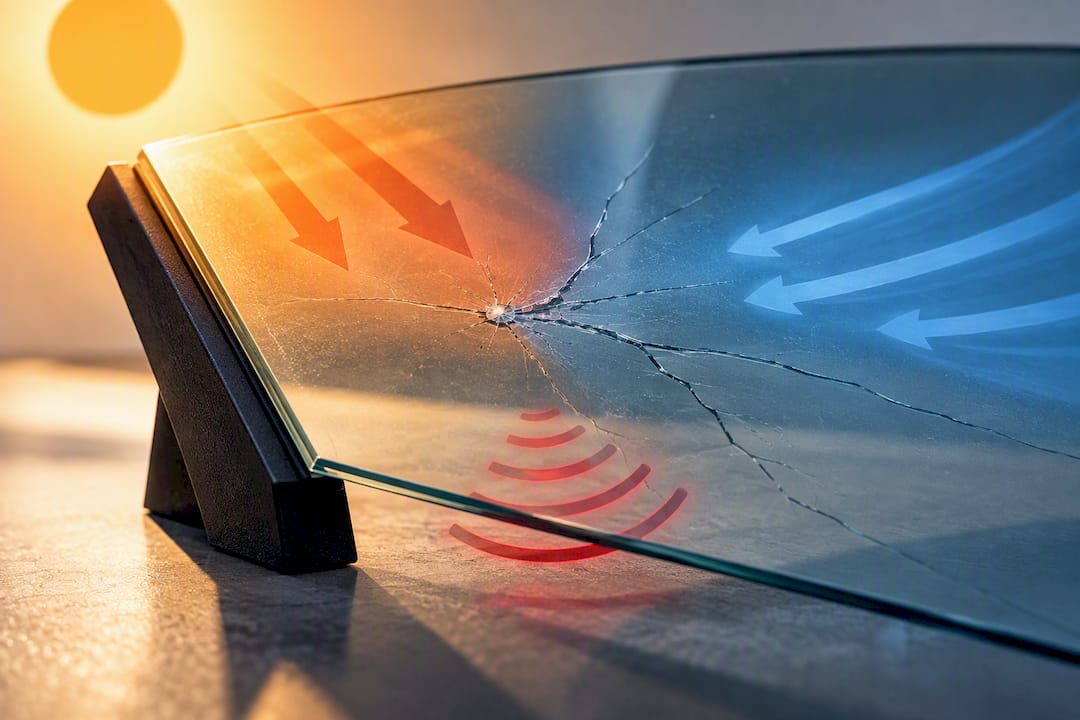
Glass expands and contracts with temperature, and that movement is where most crack growth starts. Pilkington’s thermal stress guidance shows that even a modest temperature swing can change the dimensions of a sheet of glass enough to generate real tensile stress, and that stress concentrates at any existing flaw, including a chip or crack. A defroster blasting hot air onto a cold windshield, or a sudden downpour on a sun-baked hood, creates exactly the kind of uneven heating Pilkington’s bulletin flags as a driver of fracture growth.
Vibration and impact add mechanical stress on top of that. Potholes, rough pavement, and even slamming a door can flex the glass just enough to push a crack further along its existing path. Chips near the windshield’s edge are especially vulnerable because the frame already carries structural load there, and any contact, sanding, or manufacturing defect at that spot gives a crack an easier route to travel. Laminated windshields hold together after cracking, since the plastic interlayer keeps the glass from separating into shards, but that retention does not mean a badly cracked windshield still performs the way an intact one does.
Immediate steps to slow or stop a crack from spreading
The goal right now is to protect the crack from moisture, dirt, and stress, not to fix it yourself.
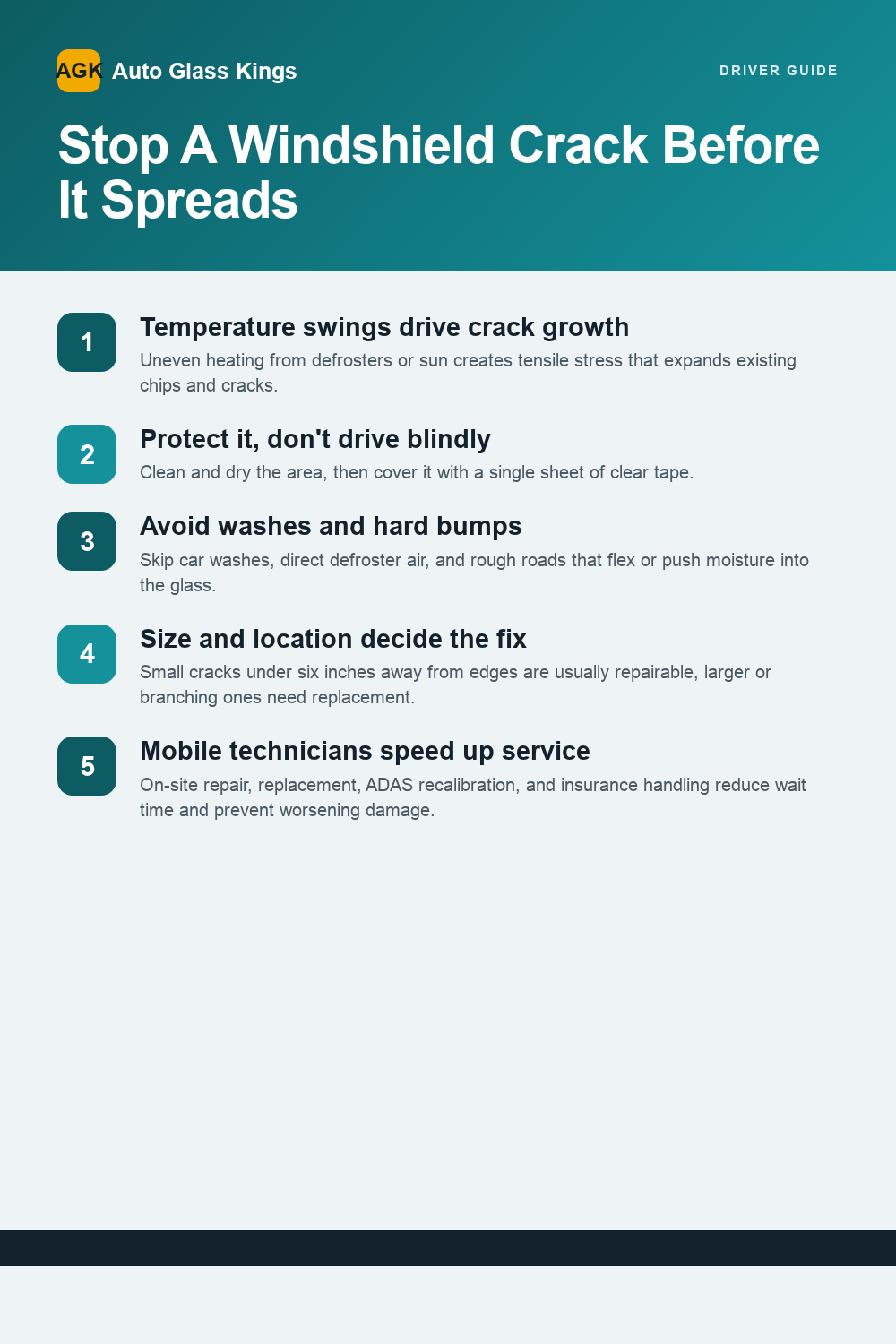
- Clean and dry the chipped area, then place a single, smooth sheet of clear packing tape directly over it to keep out grit and water, following AutoZone’s guidance on preventing spread.
- Skip automatic car washes and high-pressure jets, since both push water and force into the fracture.
- Avoid sudden temperature swings: don’t point the defroster or air conditioning straight at the glass, and park in the shade when you can.
- Drive gently on smooth roads if a trip is unavoidable, and avoid slamming doors or hitting bumps hard.
Pro Tip: Apply the tape in one motion without smoothing over the crack itself, since pressing on it can push the fracture further before you even get to a shop.
If the crack grows visibly within a day, reaches the edge of the glass, or starts branching, stop treating it as a minor chip and arrange service right away.
When repair is possible and when replacement is likely
A short, isolated crack away from the edge is usually a good repair candidate. NHTSA’s interpretation on windshield repair notes that repairability is decided case by case, and while consumer guides commonly cite a rough six-inch limit for simple repairs, that number is a starting point for judgment, not a hard engineering cutoff.
- Likely repairable: a single crack under roughly six inches, away from the edge, and outside the driver’s direct line of sight.
- Likely replacement: cracks that reach the edge of the glass, branch into multiple fractures, penetrate through both layers of lamination, or distort the view where the driver needs clarity.
A resin repair restores much of the windshield’s strength and stops the crack from spreading further, but it rarely disappears completely and won’t match a factory-new pane optically. That gap is exactly why a trained technician, not a guess at home, should make the call: they check depth, contamination, and whether the crack has already reached the lamination before recommending a path. Our complete guide to auto glass replacement walks through what that inspection typically covers.
Driving safety and legal considerations for commercial vehicles
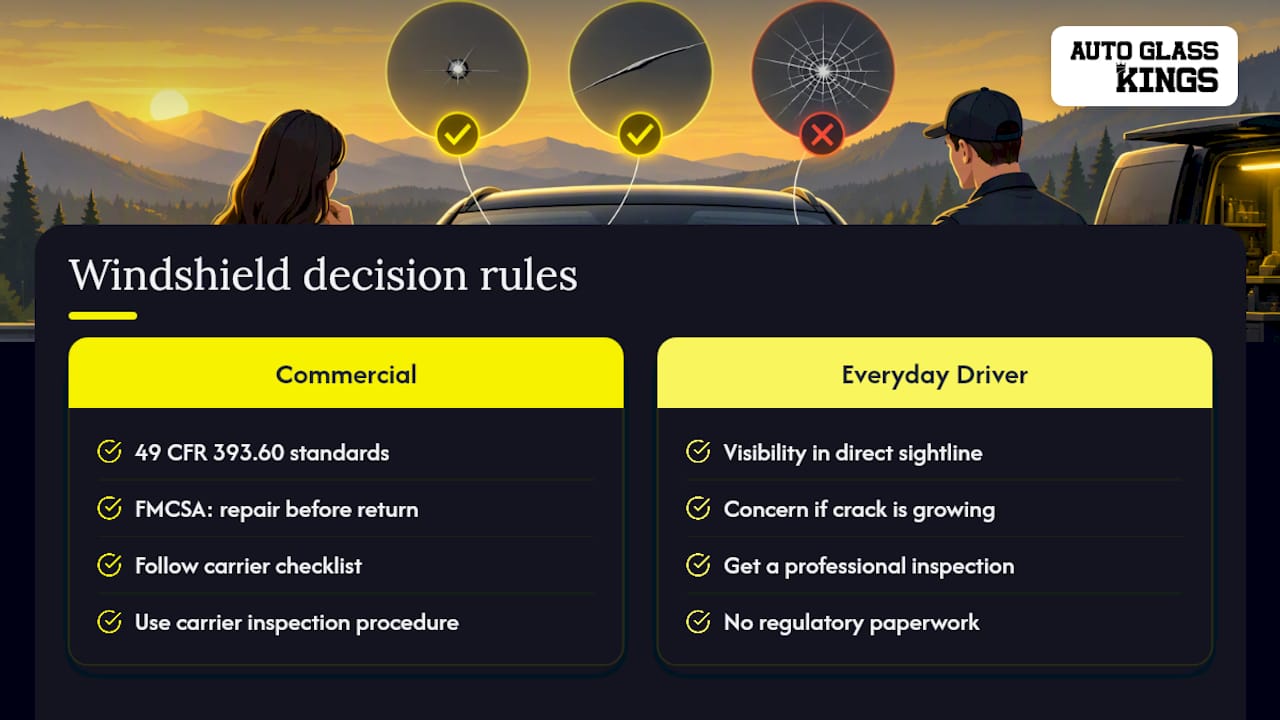
A cracked windshield can still hold together thanks to its laminated construction, but a large or spreading crack can cut into visibility and reduce how well the glass performs in a crash. For commercial vehicles, this isn’t just a judgment call. 49 CFR 393.60 sets specific standards for windshield condition on commercial motor vehicles, and FMCSA inspection rules require carriers to address damage that affects safe operation before a vehicle goes back on the road.
For everyday drivers, the same logic applies without the paperwork: if a crack sits in your direct line of sight or has grown enough to worry you, don’t wait for a compliance officer to make the decision for you. Get it inspected. Commercial drivers should follow their carrier’s inspection procedure and the regulatory checklist rather than deciding on their own whether a crack is disqualifying.
DIY mistakes that make windshield damage worse
Reaching for a household fix usually backfires here.
- Superglue, epoxy, or nail polish seep into the fracture and harden there, which contaminates it and blocks the resin a technician would otherwise use to bond the crack.
- Sanding or scraping at a chip removes material a repair depends on and can widen the damage instead of smoothing it.
- Pressing the glass together or trying temperature tricks to “seal” it adds the same thermal and mechanical stress that spreads cracks in the first place.
Clear tape, applied once over a clean, dry chip, remains the safest short-term measure because it keeps out moisture without adding pressure or residue. For more on avoiding common missteps, see our auto glass mistakes to avoid.
When to call a professional and what to expect
Book service right away if the crack grows visibly, reaches the edge, branches, or sits in your line of sight.
- A technician checks the depth of the damage, whether it has breached the inner layer of lamination, and whether it’s distorting your view of the road.
- On modern vehicles, replacing the windshield often means recalibrating the cameras and sensors mounted near it, since even a slightly different glass angle can throw off driver-assist systems.
- A repair typically takes under an hour, while a full replacement with ADAS recalibration usually adds time but restores the vehicle to proper working order in one visit when done on-site.
Pro Tip: Ask upfront whether the shop bills your insurance carrier directly, since many drivers pay nothing out of pocket for a covered replacement.
The repair versus replacement tradeoff, from a practical standpoint
Repair keeps your original windshield and costs less, but it has limits: it stops a crack from spreading, not from ever having existed, and the glass won’t be optically perfect afterward. Replacement resets everything, structural strength, clarity, and sensor alignment, at a higher cost and more time. When a chip is small and fresh, repair is usually the sensible call. When you’re unsure which category your crack falls into, a same-day inspection beats gambling on tape and hope, and it beats any DIY fix that might close the door on repair altogether.
— Auto Glass Kings
How a mobile technician can stop the damage from spreading further
Waiting for an opening at a shop gives a crack more time to grow, which is exactly what our mobile service is built to avoid. Auto Glass Kings comes to you as early as 5 AM, handles windshield repair or full replacement on-site with OEM-quality materials, and completes any needed ADAS recalibration in the same visit, so there’s no second trip to a dealership.

Every install carries a lifetime warranty, and many customers pay nothing out of pocket when insurance billing is handled directly by the service provider. Get a quote before a small crack turns into a full replacement job.
Sources
This article draws on 49 CFR 393.60, NHTSA interpretation 8033, and Pilkington’s thermal stress bulletin. For additional practical steps, see FIX-A-DENT’s guidance on spreading auto glass damage and our own auto glass blog.
- Pilkington — ATS #123 thermal stress guidance
- 49 CFR 393.60 — Glazing in specified openings (Cornell Law)
- NHTSA interpretation 8033 — windshield repair and standards
- AutoZone — How to prevent a windshield crack from spreading
FAQ
How likely is a windshield crack to spread?
Cracks commonly grow under everyday heat, cold, vibration, and road impacts, since Pilkington’s technical bulletin shows even small temperature shifts create enough stress to extend an existing flaw. There’s no fixed timeline: some cracks spread within hours, others sit for weeks before growing.
How do I stop a cracked windshield from spreading?
Clean and dry the chip, cover it with a single sheet of clear tape, and avoid car washes, rough roads, and sudden temperature changes, as recommended in AutoZone’s prevention guide. These steps slow growth but don’t replace a professional repair.
Can a mobile technician stop a crack from spreading?
A technician can perform a resin repair that stops a qualifying crack from spreading further and restores much of the glass’s original strength. Whether repair is possible depends on the crack’s size, location, and depth, which is why an in-person inspection matters before booking windshield repair.
Can a commercial vehicle have a cracked windshield?
Commercial motor vehicles are governed by 49 CFR 393.60, which sets standards for windshield condition, and whether a specific crack disqualifies a vehicle from operating depends on its size, position, and an inspector’s determination. Carriers are expected to repair damage that affects safe operation before dispatching the vehicle.
What’s the difference between repairing and replacing a cracked windshield?
Repair works on short, non-branching cracks away from the edge and outside the driver’s main line of sight, and it’s faster and cheaper than replacement. Replacement becomes necessary when a crack reaches the edge, branches heavily, or distorts the driver’s view, and it often includes ADAS recalibration on newer vehicles.
Recommended
- Auto Glass Replacement: A Complete Guide for US Drivers
- Auto Glass Replacement: 7 Common Mistakes to Avoid
- Top 5 Benefits of Mobile Windshield Repair Near You
🎧 Listen to This Article
Share
Recent Posts
October 6, 2026
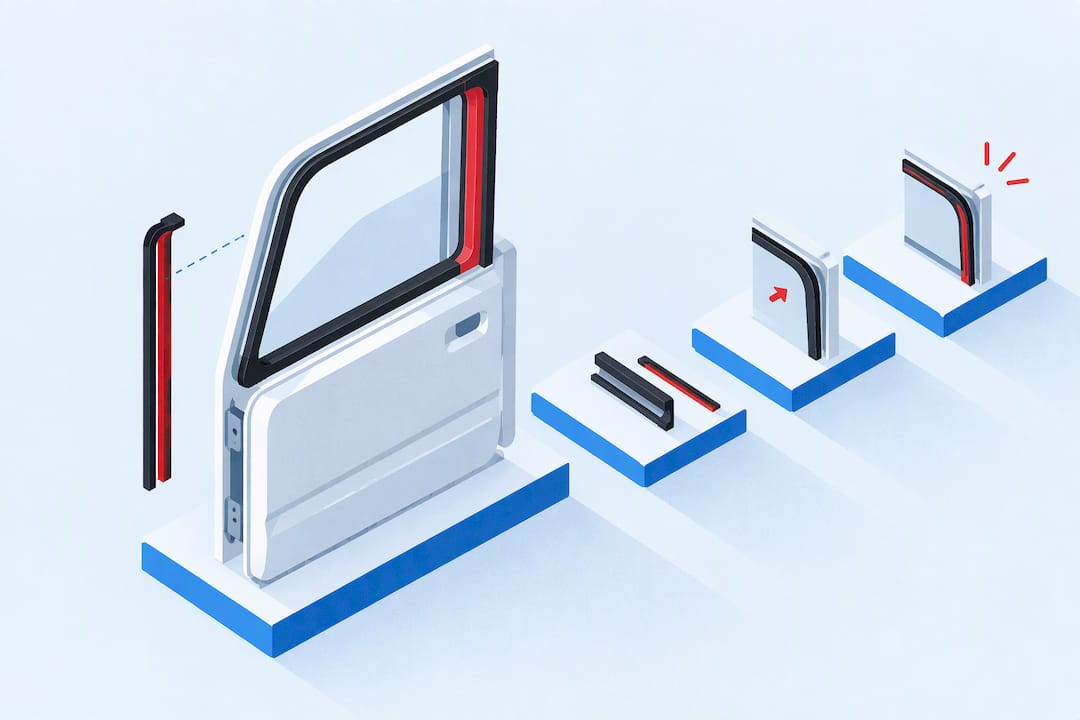
1–3 Hours Per Door: Run Channel Replacement That Puts Fitment First
DIY run channel replacement with a fitment-first approach. Follow parts, tools, and a 1–3 hours per door procedure, plus when to call a...
October 5, 2026
Expect $305–$3,400: U.S. Tesla Windshield Costs and How to Save
U.S. model-by-model Tesla windshield price ranges ($305–$3,400 observed). Practical steps to cut out-of-pocket costs, mobile ADAS calibration options, and…...
October 4, 2026
Drivers, Follow Your Installer’s Wash Time After Windshield Replacement
Follow your installer’s written safe-wash time. If none, wait 24 hours for a hand wash and 48 to 72 hours before automatic or...