
Automotive
A denial is rarely the end of the road. Most windshield denials come down to a short list of causes: no comprehensive coverage, a deductible larger than the repair bill, a dispute over repair versus replacement, or an argument over which glass goes in the car. Each one has a clear next step, and you can often get the windshield fixed while the paperwork is still being sorted out.
This guide walks through why insurers say no, how to read the denial, how to appeal, and what to do if the fight is about glass type or ADAS calibration. If you drive in Orange County, we also explain how our mobile service fits in.
TL;DR
- Ask for the denial in writing. The reason (no comprehensive coverage, deductible, repair vs. replace, or glass type) decides your next move.
- Read your declarations page for a glass deductible or full glass endorsement before you appeal.
- You can appeal, add evidence, complain to your state insurance regulator, and choose your own repair shop.
- If your car has a camera behind the windshield, calibration is part of the job, and it belongs in your claim.
- We handle direct insurance billing and complete glass and ADAS calibration in one mobile visit in Orange County.
Table of Contents
- Why insurers deny windshield replacement claims
- Check your policy before you push back
- What the denial letter should tell you
- How to appeal a denied windshield claim
- When the fight is about glass type or ADAS calibration
- Is it worth filing a claim at all?
- Our perspective
- Get the glass fixed in Orange County
- FAQ
- Sources
Why insurers deny windshield replacement claims
Insurers rarely deny a claim at random. The reason on the letter points to one of a few categories.
You did not have the right coverage
Windshield damage from flying debris, severe weather, falling objects, animal strikes, vandalism or a break-in is typically a comprehensive claim, while collision coverage may apply if you hit another vehicle, according to Farmers Insurance. If your policy is liability only, there is nothing for glass to be paid from. The Massachusetts Division of Insurance makes the same point for its state: you must have bought comprehensive coverage before the glass loss for repair or replacement to be covered.
The deductible swallows the claim
Sometimes the claim is not denied so much as reduced to nothing. If your comprehensive deductible is $500 and the replacement costs less than that, the insurer owes you nothing. Coverage and deductibles depend on your policy and state, so check the declarations page rather than assuming.
The Massachusetts regulator warns that trouble starts when drivers do not realize they have a glass deductible until they have a glass loss because they never reviewed the policy. Reading it now saves a surprise later.
The insurer says repair, not replace
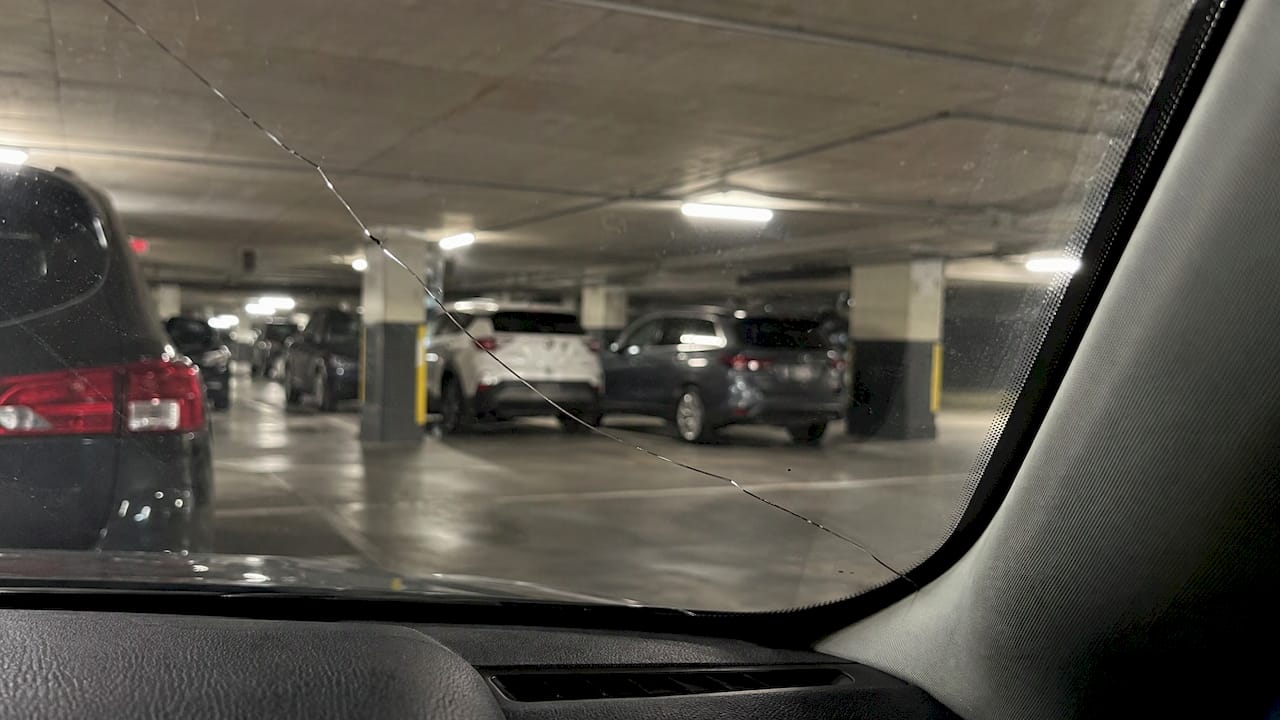
A common dispute is whether the damage should be handled as a repair rather than a replacement. Claims advocates describe insurers leaning toward repair when recognized standards allow it, because repair costs less. A small chip away from the driver’s line of sight may truly be repairable. A long crack, damage at the edge, or several impact points usually are not.
The insurer disputes the type of glass
This one matters most for newer cars. An insurer may limit or deny a claim if it wants cheaper aftermarket glass and you want a specific glass, especially when the car has ADAS sensors or cameras, where the same source says aftermarket glass may not allow correct function or recalibration.
Check your policy before you push back
Before you call anyone, find three things on your declarations page: your comprehensive coverage line, your comprehensive deductible, and any glass-specific line.
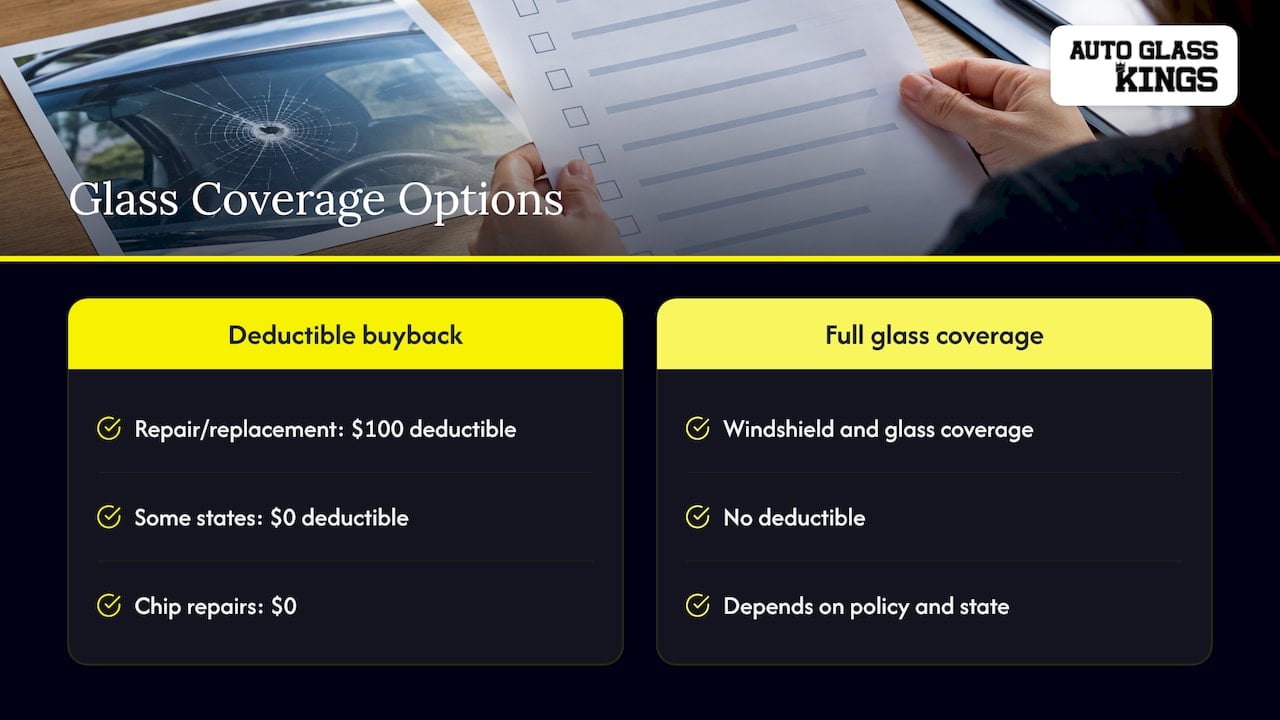
Farmers describes two glass options that illustrate what to look for. One is a glass deductible buyback, which pays to repair or replace auto glass with a $100 deductible (or $0 in some states) and $0 for chip repairs. The other is full windshield and glass coverage with no deductible, depending on the policy and state. Other carriers use their own names for the same idea.
What a $500 deductible with a $0 glass deductible means
The two numbers apply to different things. The $500 is your general comprehensive deductible. The $0 glass deductible means the glass portion is covered without that cost, so you may have $0 out of pocket for qualifying glass claims, depending on your policy option and state rules.
A few states change the picture by law. According to a legal explainer, Florida, Kentucky and South Carolina bar insurers from applying a comprehensive deductible to windshield claims, and Arizona, Connecticut, Massachusetts, Minnesota and New York require insurers to offer an optional full glass endorsement. California is not on those lists, so in Orange County your glass coverage is whatever your own policy says. Our guide to comprehensive vs. collision glass coverage shows which coverage line pays in which situation, and our page on zero deductible glass coverage explains what to ask your agent.
What the denial letter should tell you
Get the reason in writing. Texas, for example, spells this out in its consumer bill of rights: an insurer must tell you in writing why a claim or part of it was denied. Other states have their own rules and timelines, so look up your own state’s before you count days. The principle is the same everywhere: a vague phone call is not a denial you can work with.
When the letter arrives, sort the reason into one of these buckets:
| Reason on the denial | What it usually means | Your next step |
|---|---|---|
| No comprehensive coverage | Glass is not covered under your policy | Confirm on the declarations page; ask your agent about adding coverage for future losses |
| Below the deductible | The repair costs less than what you owe first | Compare the quote to your deductible; ask about any glass endorsement |
| Repair, not replace | Insurer thinks the damage is repairable | Get a written inspection from a glass technician |
| Glass type or ADAS dispute | Insurer prefers aftermarket glass or skips calibration | Document the sensor system and ask for OEM-quality glass and calibration in the claim |
| Pre-existing damage | Insurer says the damage predates the policy or the loss | Gather dated photos and any prior inspection records |
How to appeal a denied windshield claim
Yes, you can fight a denied claim. Nolo’s guidance lists the usual path: submit additional evidence, follow your policy’s appeal steps and deadlines, and if needed complain to your state insurance commissioner or a consumer protection office, hire an independent claims adjuster, or sue.
A practical order of attack looks like this:
- Read the denial and the policy language it cites. Match the cited clause to your actual policy wording.
- Build the evidence file. Dated photos of the damage from several angles, a written inspection from a glass technician, and a written quote for the work.
- Send a written appeal. Reference your claim number, state which part of the denial you dispute, and attach the evidence. Keep a copy.
- Mind the deadlines. Your policy sets appeal steps, and states set deadlines for how fast insurers must respond. Texas, as one example, requires insurers to approve or deny in writing within 15 business days after receiving all needed information. Look up the rule for your state.
- Escalate to the regulator. If the appeal goes nowhere, file a complaint with your state’s department of insurance.
One more lever: ambiguous policy wording. One claims resource notes that unclear terms are typically read in the insured’s favor under the doctrine of contra proferentem. That can help when a denial rests on a vague clause.
There is also a long-term clock. The same source says every state sets a statute of limitations on insurance-related lawsuits, from 1 to 6 years depending on the state, and a regulatory complaint does not pause it in most states. Do not let a slow appeal run out the clock.
When the fight is about glass type or ADAS calibration
If your car has lane-keeping, automatic emergency braking or adaptive cruise control, there is probably a camera mounted on the windshield. That changes the claim.
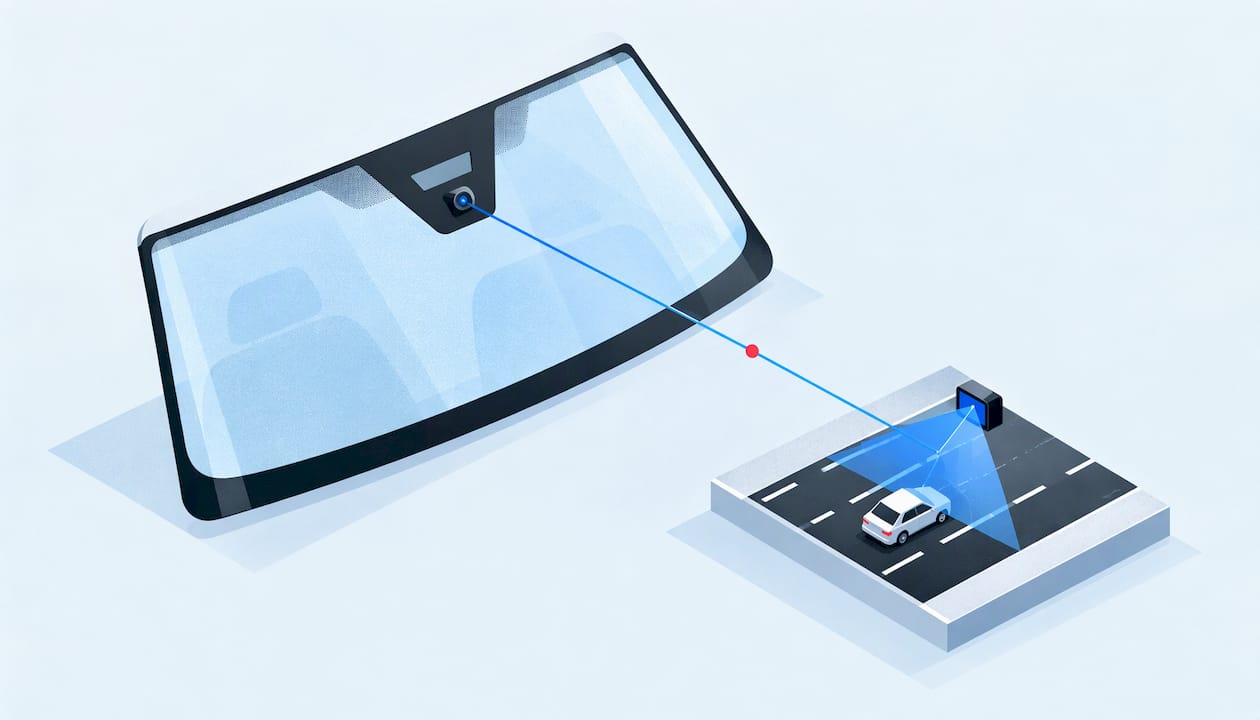
The windshield works as a second lens for the camera, and small differences in glass thickness or mounting position can throw off the system. The same source says a camera aimed off by one degree can shift where the collision avoidance system is looking by about eight feet at 100 feet of distance. That is why calibration after a replacement is a safety step and not an optional add-on.
If the insurer pushes cheaper glass or leaves calibration out of the approved amount:
- Ask for the denial or limitation in writing, including the glass brand or type they propose.
- Get a quote that itemizes calibration as its own line, so the dispute is visible and not buried in a total.
- Remember your right to choose the shop. Texas’s consumer bill of rights states that you can choose the repair shop and parts for your vehicle, although the insurer is not required to pay more than a reasonable amount. Check how your own state words this right.
- Keep the paper trail. If a camera fails to work properly after a mismatched install, you want the record of who chose the glass.
For what calibration involves, see our pages on ADAS calibration and static vs. dynamic calibration. Calibration on our ADAS service is published at $250-$700, depending on the vehicle.
If the glass damage came from an accident and you are weighing whether the car is worth fixing at all, a guide to selling a car after an accident covers how liability transfers in that case.
Is it worth filing a claim at all?
The honest math is about your deductible. The Hartford notes that if the cost to fix the windshield is less than your deductible, filing may not make sense and whether you can avoid a deductible depends on having full auto glass coverage.
That is why a denial caused by a high deductible is not a coverage failure. It tells you the number to compare. Our windshield repair runs $79-$129. If the damage is still a repairable chip, an early repair can keep it from spreading into a full replacement. Our breakdown of the cost difference between windshield repair and replacement shows where that line sits, and our windshield replacement cost with insurance page covers how a claim changes what you pay.
Will glass claims raise your rates?
Many drivers worry that a denied or repeated glass claim will cost them later. The evidence here is mixed and state-specific. One law firm explains that after several claims within a period, usually three years, an insurer may place the driver in a higher-risk pool instead of dropping them. An agency article on Texas says state law prohibits raising a premium based solely on a claim for a natural-cause loss, while several claims in a short span can still affect renewal or rating tier. California has its own rules, so ask your agent how glass claims are treated on your policy before you file.
Our perspective
We see denied windshield claims at the start of the process more often than at the end. A driver gets a no from the carrier, assumes the glass is going to cost a fortune, and keeps driving with a crack across the camera’s field of view.
Our view is that the denial is a paperwork problem, and the glass is a safety problem, and you can work on both at once. We complete the glass work and the required ADAS calibration in-house, on-site, in a single visit, so the vehicle is not sent to a second shop or a dealership just to make the camera work again.
We also believe the glass and calibration should be treated as one job. Our installs use OEM-quality materials and carry a lifetime warranty, and we bill insurance directly, which is why many of our customers pay nothing out of pocket. When a carrier questions the glass or the calibration, a clear written estimate that itemizes both is the most useful document you can bring to the conversation.
Auto Glass Kings
Get the glass fixed in Orange County
If your windshield is cracked and a claim is stuck, you do not have to park the car and wait. We come to your home, office or the school pickup line, with service available from 5 AM daily. We replace windshields, repair chips, and handle side, back, quarter and vent glass. Every install carries a lifetime warranty, and we complete required ADAS calibration during the same visit.
Start with our windshield replacement page, or learn how to file a windshield insurance claim step by step. Our team can bill your insurer directly when your policy covers the work. To book a mobile visit, go to Auto Glass Kings.
FAQ
Can insurance deny a windshield claim?
Yes. Common reasons are no comprehensive coverage, a deductible higher than the repair cost, a dispute over repair versus replacement, or a disagreement about glass type. Ask for the reason in writing, then match it to your declarations page.
Can you fight a denied car insurance claim?
Yes. Submit more evidence, follow your policy’s appeal steps and deadlines, and complain to your state insurance regulator if needed. You can also hire an independent adjuster or take legal action, and statutes of limitations apply, so do not wait too long.
What does a $500 deductible with a $0 glass deductible mean?
The $500 applies to your general comprehensive claims, and the $0 glass deductible applies to glass. A qualifying glass claim may therefore cost you nothing out of pocket. Terms vary by policy and state, so confirm the wording with your insurer.
Does the insurer have to pay for ADAS calibration?
There is no single rule across the country, so it depends on your policy and state. Calibration is a required step after replacement on cars with a windshield camera, so ask for it to be itemized in the estimate and in the claim.
Sources
- Does Car Insurance Cover My Windshield? | Farmers Insurance
- Understanding Whether Auto Coverage Pays for Damage to Your Windshield | Mass.gov
- Auto Glass and Windshield Claim Denied: Repair Standards
- Free windshield replacement: States, laws and insurers | CarInsurance.com
- Does Allstate Cover Windshield Replacement? | LegalClarity
- What Can I Do If the Car Insurance Company Denies My Claim? | Nolo
- Consumer Bill of Rights | Texas Department of Insurance
- Appealing a Denied Auto Claim: Procedures and Rights
- Virginia Windshield Replacement Law | LegalClarity
- Does Insurance Cover a Cracked Windshield? | The Hartford
- Can My Insurer Drop Me If I Make A Claim? | The Cochran Firm
- Does Hail Damage Raise Car Insurance Rates in Texas? | The Agents Office
Recommended
- How to File a Windshield Insurance Claim, Step by Step
- What You’ll Pay: Windshield Replacement With Insurance, ADAS $150–$400
- Drivers: File an Auto Glass Claim, Chip $50–$150, Mobile Billing
- The Cost Difference Between Windshield Repair and Replacement
🎧 Listen to This Article
Share
Recent Posts
November 22, 2026
Auto Glass Coverage in California: What Your Policy Pays
How California auto insurance covers windshields, side glass and ADAS calibration, what deductibles mean, and what the 2026 glass law changes for you....
November 21, 2026
Bentley Windshield Sensors: What Sits Behind the Glass
Bentley windshield sensors explained: the camera, rain and light sensors behind the glass, what a replacement does to them, and how to get...
November 20, 2026
Urethane Smell in Your Car: What It Is and What to Do
A sweet, chemical smell after a windshield replacement is usually fresh urethane adhesive. Learn what causes it, how to ventilate safely and when...